
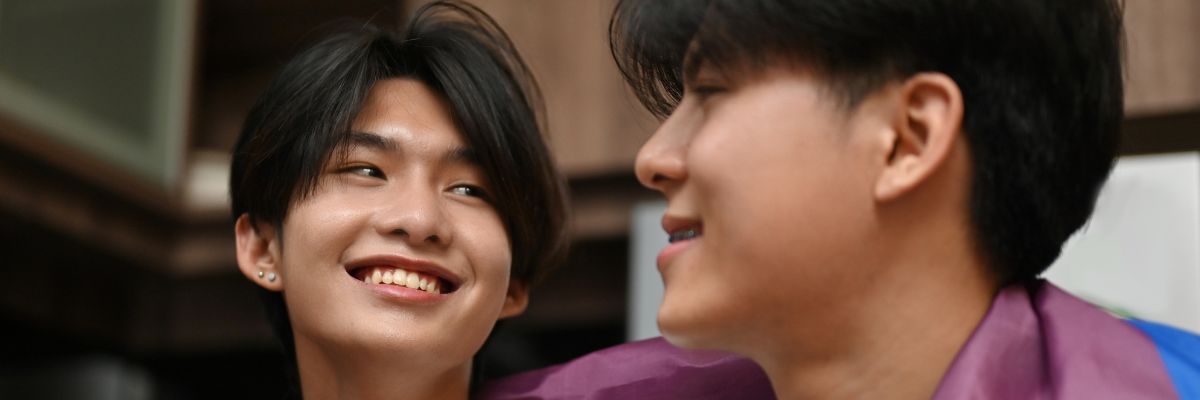
Last month, Canadians celebrated Pride Month with messages like “Love is love“, “Pride is Power,” and “You are enough just as you are“. For East Asians, this is a complex issue, as our parents’ and grandparents’ generation may not be as receptive to gay culture. Despite this, many queer East Asians demonstrate remarkable resilience, carrying the ache of not being accepted by those they love the most.
Culture Colliding With Queer East Asians
The heart of this issue lies in East Asian culture, which often emphasizes collectivism and filial piety. Elders expect children to conform to the majority, obey their parents, and bring honour to the family. In this context, queerness is not only nonconforming, but it is shameful. It can be a threat to the family’s image and cohesion. Additionally, cultural silence around sexuality, generational trauma, and misinformation can result in queer East Asians growing up feeling inadequate and unaccepted for who they are.
If you have had to hide your true self to maintain harmony in the family, you are not alone. Many queer East Asians share your experience of being invisible and unacknowledged at home.
How The Hurt Manifests
Some East Asian parents subject their queer children to hurtful put-downs, which profoundly impact their self-confidence and self-worth. Examples include:
- It is not natural.
- We didn’t raise you this way.
- You are being selfish.
- Don’t tell anyone.
If these words sound familiar, know that you are not alone. While they hurt and invalidate your feelings, they do not erase your truth or define who you are. Your parents are speaking out of fear, internalized shame, misinformation, or cultural conditioning.
Health Risks in Queer East Asians
Research shows that LGBTQ2S+ individuals who experience family rejection face significantly higher mental health challenges. Cultural contexts where family is central to one’s identity can intensify this risk.
Rejection of gay lifestyles can bring profound shame and guilt to queer East Asians. You may believe you are failing your family. Internalized homophobia can slowly erode your self-worth. And most insidious is the fear of being outed. Leading a double life shrouded in secrecy causes chronic stress, which increases the risk of anxiety, depression, and even suicidal ideation.
Exacerbated by the stigma of mental health, you may avoid reaching out for help, which then increases your risk of long-term harm.
Coping with Family Pressure
With its many layers of complexity, family rejection or conditional love can be a heavy burden for anyone to bear. Here are a few coping strategies:
- Validate your feelings: Feeling hurt, unloved, unaccepted and lonely are valid emotions. Tell yourself that it is okay to feel the way you do.
- Acknowledge the loss: Give yourself time and space to grieve for a life you wish you had, whether it is one of complete acceptance, unconditional love, or honest and open discussions.
- Connect with cultural peers: Connecting with other queer East Asians will help you feel less isolated. Additionally, their experiences can provide deep validation for yours and teach you new ways to cope with your situation.
- Build a chosen family: when your biological family is not supportive, seek friends in queer-affirming communities and online groups to accept and celebrate who you are. It’s not betrayal – it is survival.
Seeking Professional Help
Living at the intersection of queerness and East Asian identity can be confusing, painful, and lonely. When you find yourself questioning, doubting and constantly criticizing yourself, remember that you can seek professional help. You don’t have to struggle alone.
Psychotherapy isn’t about “fixing” you. It’s about healing what you’ve had to survive. We address issues like coming out, setting boundaries, and reclaiming your self-worth. Our culturally sensitive and queer-affirming therapy can help you process pain, reclaim your voice, set boundaries, and find ways to stay connected to your roots without sacrificing who you are.


